
Startup Launch Videos on X: 2026 Benchmarks

Every week, another startup posts a launch video on X and hopes it takes off. Most founders have no idea what a "good" result looks like. Is 40,000 views a win or a flop? Should you expect a million?
For the first time, there is a solid answer. Flowjam, a launch video studio, tracked 1,173 startup launches on X over twelve months and published the numbers. This post walks through those benchmarks and what the best-performing launches do differently.
Key takeaways
- The median startup launch video on X gets about 28,258 views.
- Only 30.6% of launches break 100,000 views, and only 7.9% reach a million.
- The median bookmark-to-view rate is 0.36%, or one bookmark for every 278 views. It is the best single measure of whether a launch landed with the right people.
- AI tools make up 51% of all startup launches on X, making it the most crowded category.
- Launches that ship in five formats at once earn about 3.4 times more view time.
What does a normal launch look like on X?

A normal launch gets tens of thousands of views, not millions.
Here is the distribution from Flowjam's 2026 index:
| Benchmark | Result |
|---|---|
| Median views | 28,258 |
| Launches that break 100K views | 30.6% |
| Launches that reach 1M views | 7.9% |
| Median bookmark-to-view rate | 0.36% |
That means if your launch video gets 30,000 views, you are right at the middle of the pack. If it gets 150,000, you are in the top third. A million views puts you in rare company.
The practical lesson: if a studio or agency promises you a "viral" launch, ask them for their median result, not their best one.
Which categories launch the most on X?
AI tools, by a wide margin. In Flowjam's index, AI tools made up 51% of launches, SaaS 22%, and developer tools 21%. Together, those three categories account for over 90% of all tracked startup launches.
That has two consequences. If you are launching an AI product, you are competing for attention with more launches than any other category. You are also launching into the audience most primed to engage with new AI tools. The bar for standing out is higher, but so is the ceiling.
Why is the bookmark rate the number to watch?
Because views measure reach, while bookmarks measure relevance.
A bookmark means someone found the launch useful enough to come back to. That is much closer to purchase intent than a view or even a like. Flowjam's median is 0.36%, or one bookmark for every 278 views.
If your launch lands well below that, you likely have what Flowjam calls a reach problem masking a relevance problem: the video traveled, but it reached people who were not your buyers, or it did not make the value clear enough to save.
Use the bookmark rate as your launch day quality check alongside signups in the first 72 hours.
What do the top launches do differently?
Across the best-performing launches and the case studies we track, a few patterns repeat.
They sell the outcome, not the demo
The launch videos that perform best open on the customer's problem and show the result, instead of walking through features. The hook arrives in the first five seconds. A feature tour asks the viewer to imagine the value; an outcome shows it.
They ship in five formats at once
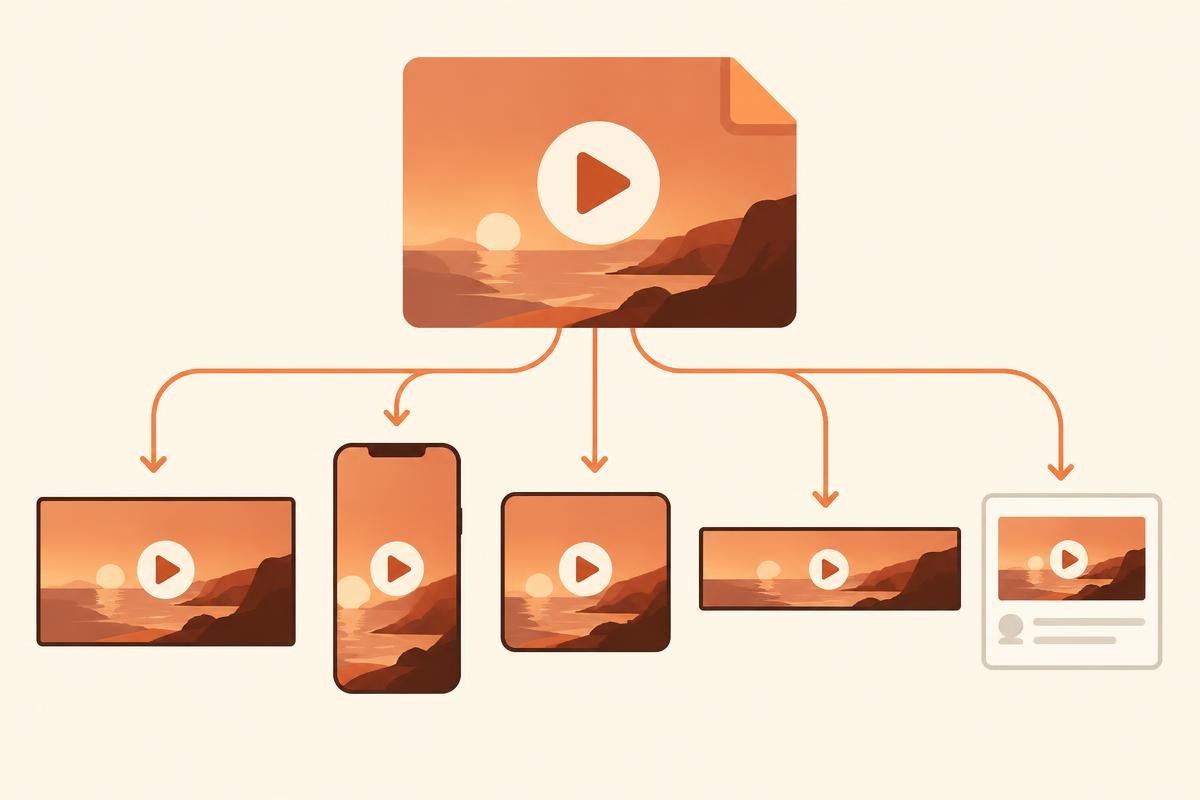
The strongest launches are cut into a full set of formats at the same time: a YouTube version, a 9:16 vertical cut, a square social cut, a silent version for the website hero, and a short teaser for email. Flowjam reports that multi-format launches earn about 3.4 times more view time. The launch day post on X is only one of the places the video should live.
They coordinate the first hours
Launch performance on X depends heavily on early engagement. Specialist agencies such as Clickstrike are known for coordinating creator reposts, quote posts, and comments in the window right after a launch goes live, creating a cascade that pushes the post into wider feeds. Several of the most discussed AI launches of the past year are credited to this tactic.
Done well, with every paid participant disclosed, this is simply organized launch support. Done badly, it looks like manufactured hype, and audiences in 2026 are quick to call that out.
They plan beyond launch day
A launch video's life does not end at the X post. The best teams follow up within 72 hours with sponsored deep dives from creators, then keep going with YouTube tutorials and LinkedIn posts over the following weeks. Lovable, for example, had a sponsored creator video go live the day after its 2.0 launch. We cover how Lovable built this engine in How Lovable Grew to $500M ARR With Creators.
What does a launch video cost?
The range is wide. Flowjam publishes its pricing openly: short animated launch videos start at a few hundred dollars, a flagship launch video with creative direction and strategy is $5,000, and full launch packages at $15,000 and $25,000 include a live shoot and guaranteed views of 100,000 and 500,000.
That last detail says a lot about the market. Views are now sold as an outcome, not just a hope. Before you pay for guaranteed reach, ask who the views come from. A hundred thousand views from the wrong audience will not move your bookmark rate or your signups.
How should you plan your launch around these numbers?
Set a realistic target. Aim for the top third (100,000+ views) and a bookmark rate above 0.36%, not a million views.
Build the hook first. Write the first five seconds before anything else. If it does not stop a scroll, the rest does not matter.
Line up creators before launch day. Give them product access at least two weeks early so they can speak from real use, not a script.
Coordinate, and disclose. Plan who posts, reposts, and comments in the first two hours. Make sure every paid participant labels the partnership.
Measure what matters. Track bookmarks, signups in the first 72 hours, and waitlist growth. Views alone will mislead you.
Frequently asked questions
How many views does a startup launch video get on X? The 2026 median is about 28,000 views. Around 30% of launches pass 100,000, and about 8% reach one million.
What is a good bookmark rate for a launch? The median is 0.36%, or one bookmark per 278 views. Beating that suggests your launch reached relevant people.
Do launch videos need to be professionally produced? Not necessarily. Clarity of the problem and outcome matters more than production value, but a strong hook in the first five seconds is essential.
Plan a launch that reaches the right people
UGC Scout helps tech startups turn launches into momentum: lining up creators whose audiences match your buyers, coordinating launch day activity with full disclosure, and producing the follow-on creator video that keeps the launch working for weeks. Book a free call to plan your next launch.
Sources
- Flowjam, "State of Launch Videos 2026: Benchmarks From 1,173 Real Launches," July 2026
- Flowjam, "30 Best Launch Video Examples (2026)," September 2026
- Flowjam, pricing page, 2026
- Grit Daily, "Best AI Influencer Marketing Agencies In 2026," May 2026
- StartupTalky Community, "Lovable grew to $500M ARR in 19 months," September 2026
Want this handled for you?
UGC Scout gives you real creators, 10 to 1,000 videos per month, and everything from ideas and scripts to posting. No long-term contract, cancel anytime.
Book a free callAbout the author
Dave Franco runs creator programs at UGC Scout, working with tech startups and DTC brands on creator-led growth.
Keep reading
- How Cal AI Grew on Creators Before Paid Ads
Cal AI did not buy its way to scale. It built a creator network first, added paid ads second, and affiliates last. Here is the full teardown.
- What LinkedIn Creators Cost in 2026
Most sponsored LinkedIn posts cost between $200 and $2,000, with a transacted median of $798. Here is what drives the price, and how to budget your first program.
- UGC video ads that convert: a practical guide
How creator videos beat studio ads, how to structure hooks and scripts, and how to test 15 to 45 second UGC ads on Meta and TikTok every month.