
What LinkedIn Creators Cost in 2026

LinkedIn has quietly become the most important creator platform for B2B software. Investment in creator marketing on LinkedIn grew 171% year over year, and 61% of B2B marketing leaders plan to increase creator spend. Yet most teams still have no idea what a sponsored post should cost.
This guide pulls together the most reliable 2026 pricing data, explains what drives the price up or down, and shows how to budget a first program without wasting money.
Key takeaways
- Most sponsored B2B posts cost between $200 and $2,000. The transacted median on LinkedIn is $798.
- Audience fit, not follower count, sets the price. Some creators with under 1,000 followers charge more than creators with 50,000.
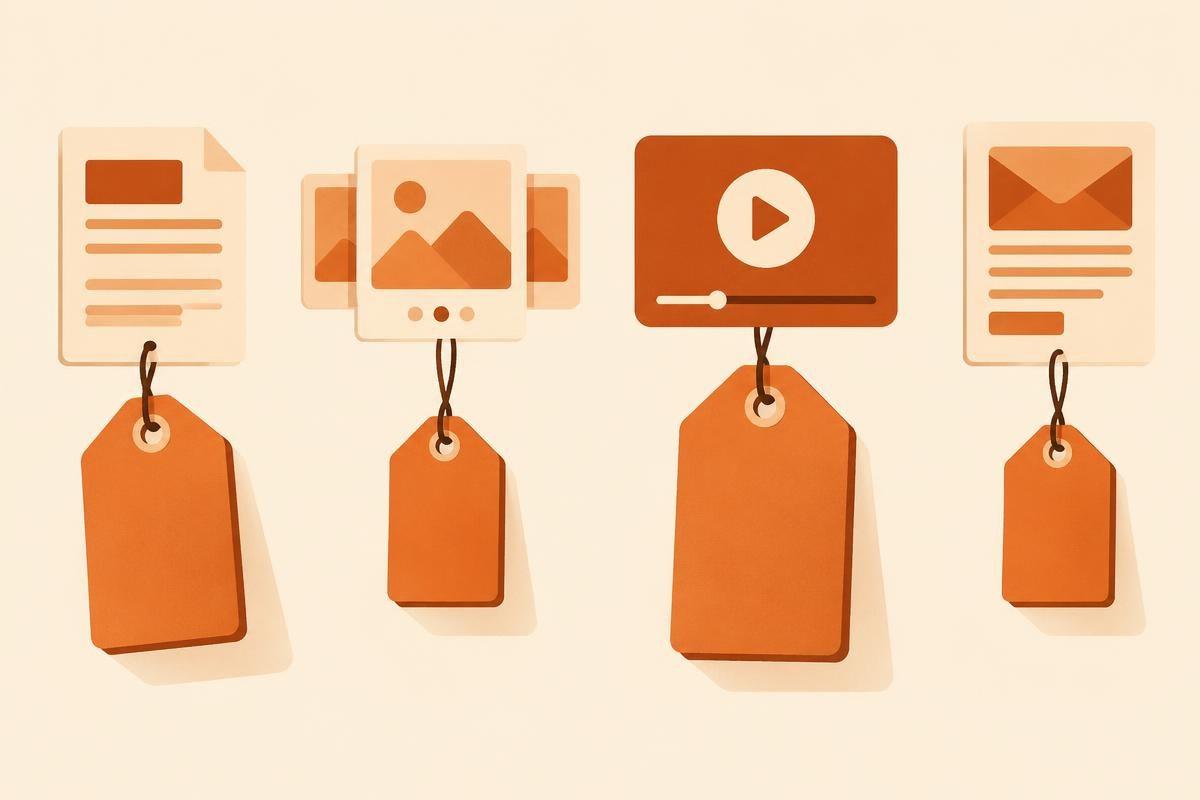
- Format multiplies price: carousels add 20 to 35%, video adds 40 to 80%, and newsletter placements cost 1.5 to 3 times a post.
- Paid amplification through thought leader ads runs at roughly 15 to 20% of standard LinkedIn CPM.
- A realistic first program is a $15,000 to $25,000 pilot. An ongoing program runs $20,000 to $25,000 a month including amplification.
How much does a sponsored LinkedIn post cost?
Most sponsored B2B posts land between $200 and $2,000. The most useful single number is the transacted median of $798, based on 135 real client deals tracked by Favikon in 2026.
The word "transacted" matters. Most pricing articles quote rate cards, which are opening asks. A transacted median is what money actually changed hands for. Budget from that number, not from a creator's media kit.
Why can a small creator cost more than a big one?

Because in B2B, you are paying for who the audience is, not how many people are in it.
Favikon's dataset includes a creator with just 851 followers charging $2,400 per post. That sounds absurd until you look at who those 851 people are. When an audience is close to a complete buying committee for a specific enterprise category, scarcity sets the price.
The best-documented example of this principle is Vector, a B2B SaaS company. Its marketing team worked with seven creators averaging 13,000 followers each, spent $12,000 total over three months, and generated $1.1 million in pipeline. The posts averaged only about 111 engagements each. On consumer metrics, that campaign looks like a failure. On business metrics, it was a runaway success.
The lesson: judge LinkedIn creators on audience match first. Check who follows them by job title, not how many follow them.
What else changes the price?
Format
Format is a multiplier, not a rounding error. Based on Favikon's data:
| Format | Price compared with a text post |
|---|---|
| Carousel | +20 to 35% |
| Video | +40 to 80% |
| Newsletter placement | 1.5 to 3x |
| Speaking slot | About 4x |
Geography
Location moves the price more than most buyers expect. APAC LinkedIn CPMs run 30 to 60% below North America. In one survey of 125 creators, rates ranged from about $550 in the UK down to about $155 in India. Some European markets out-price both the UK and US.
Industry
Vertical matters too. FinTech audiences command much higher CPMs than marketing audiences, and tech creators quote a median premium of about 60% over the all-niche average. If your buyers are rare, well paid, and hard to reach, expect to pay more to reach them.
What does it cost to amplify a creator's post?
Less than you might think. LinkedIn's thought leader ad format lets you put paid media behind a creator's post from their own profile. Sponsored creator posts run at roughly 15 to 20% of the average LinkedIn CPM through this format.
This is how the most effective B2B programs work. You pay the creator for credibility, then pay separately to put that credible post in front of exactly the right job titles. Brendan Gahan, whose agency Creator Authority became the first creator-focused official LinkedIn Marketing Partner in April 2026, builds programs around this split. He does not use follower count in creator selection at all, and uses impressions only to size the media budget.
How should you budget a first LinkedIn creator program?
Start with a pilot large enough to learn from. Two practical anchors from 2026 data:
- First pilot: $15,000 to $25,000 is a realistic first commitment.
- Ongoing program: Nicole Ponce, who leads influencer marketing at Semrush, puts a properly resourced program at $20,000 to $25,000 per month including paid boosting.
If your budget is smaller, you can test with around $5,000 using nano creators, but spread it across several people rather than betting on one. Roughly 30% of posts underperform, and a single exceptional post often carries the return for the whole program.
How many posts should each creator do?
At least two or three. A single post is a poor sample. LinkedIn's distribution is unpredictable, and the audience overlap between a creator's consecutive posts is only about 15%, so most people who see the second post did not see the first. In the Vector program, a commenter on one creator's third post said it was the first time they had heard of the product.
Creators also get better with repetition. Tom Boston, one of Storylane's creator partners, reported that each of his consecutive sponsored posts outperformed the previous one as he learned what resonated with his audience.
What should you avoid?
- Asking about rates in the first message. One analysis of more than 5,000 pitches found that asking for rates up front cuts close rates roughly in half. Get a call first.
- Buying reach instead of fit. A creator with 80,000 followers across random industries will usually lose to one with 8,000 followers who are all your buyers.
- Judging on engagement alone. Vector's posts averaged 111 engagements and produced seven figures in pipeline.
- Skipping tracking. Add a "how did you hear about us" field to your demo form before you launch.
When is LinkedIn the wrong channel?
LinkedIn is the default for B2B, but not for every product. If you sell a consumer or prosumer app with a visual, demoable moment, short-form video on TikTok and Instagram will usually reach your users more cheaply. We cover that model in How Cal AI Grew on Creators Before Paid Ads.
Frequently asked questions
What is the average cost of a sponsored LinkedIn post? The 2026 transacted median is $798, with most B2B posts between $200 and $2,000.
Are LinkedIn creators worth it for B2B? They can be. Vector turned a $12,000 program into $1.1 million in pipeline by choosing small creators whose audiences matched its buyers.
Should I boost creator posts with ads? Yes. Thought leader ads let you amplify a creator's post at roughly 15 to 20% of standard LinkedIn CPM.
Run a LinkedIn creator program that reaches buyers
UGC Scout helps B2B and SaaS startups run influencer-led growth: finding creators whose audiences match your buying committee, briefing them to speak in their own voice, and tracking results back to pipeline. Book a free call to plan your first program.
Sources
- Favikon, "The Ultimate Guide to B2B Influencer Marketing (2026)," August 2026
- Favikon, B2B influencer pricing guide and Vector case study, 2026
Want this handled for you?
UGC Scout gives you real creators, 10 to 1,000 videos per month, and everything from ideas and scripts to posting. No long-term contract, cancel anytime.
Book a free callAbout the author
Dave Franco runs creator programs at UGC Scout, working with tech startups and DTC brands on creator-led growth.
Keep reading
- Flat Fee vs Per View: How to Pay Creators
How you pay creators changes what you get from them. Here are the five pricing models startups use in 2026, and when each one wins.
- Startup Launch Videos on X: 2026 Benchmarks
The median startup launch on X gets about 28,000 views. Only 7.9% reach a million. Here are the 2026 benchmarks, and what separates the outliers.
- How to work with UGC creators: briefs, scripts and monthly volume
A step by step guide to briefing real creators, approving scripts, handling revisions and shipping products, then scaling from 10 to 1,000 videos a month.